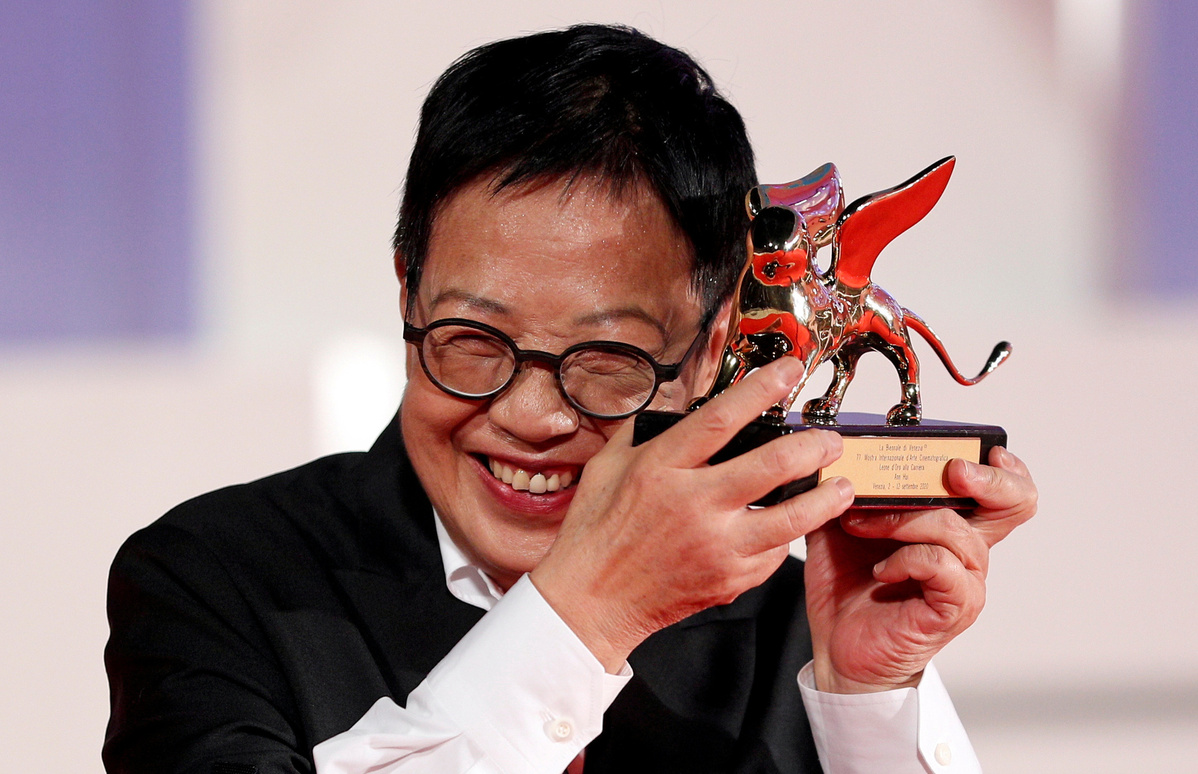
Ann Hui
Introduction
Ann Hui, a renowned filmmaker from Hong Kong, China, has made significant contributions to the world of cinema. Known for her distinctive storytelling and realistic portrayal of characters, Hui's work spans over four decades, covering various genres and themes. She has earned critical acclaim and numerous accolades for her films, which often explore complex human emotions and the intricacies of societal issues. In 2020, Hui became the first Chinese female film director to receive the Golden Lion for Lifetime Achievement at the Venice International Film Festival, highlighting her influence and enduring legacy in the film industry.
Early Life and Education
Ann Hui was born in Anshan, Northeast China's Liaoning province, before moving to Macau and later to Hong Kong, where she grew up and found her passion for filmmaking. She pursued her education in Hong Kong and later attended the University of Hong Kong, where she studied English and Comparative Literature. Her academic background provided her with a strong foundation in storytelling and an appreciation for diverse narratives, which would later become evident in her body of work. Hui's early exposure to literature and cinema sparked her interest in directing, leading her to further her studies in film at the London Film School.
Career
Ann Hui's career began in the late 1970s, during the emergence of the Hong Kong New Wave film movement. As one of the pivotal figures in this movement, Hui gained recognition for her innovative approach to filmmaking, focusing on social realism and the human condition. Over the years, she has directed a wide array of films, documentaries, and television productions, establishing herself as a versatile and prolific filmmaker.
Filmography
Hui's filmography is marked by critically acclaimed works that have garnered international attention. Some of her best-known films include Boat People (1982), a harrowing depiction of Vietnamese refugees; Song of the Exile (1990), an autobiographical tale of cultural identity and family relationships; Summer Snow (1995), which portrays the struggles of a middle-aged woman; Ordinary Heroes (1999), a tribute to social activists in Hong Kong; and A Simple Life (2011), a touching story about the bond between a woman and her elderly caretaker. Her films have been screened at prestigious film festivals such as Venice and Cannes, earning her a reputation as one of Asia's most respected directors.
Documentary Work
In addition to her feature films, Hui has directed several documentaries that reflect her keen interest in exploring real-life stories and societal issues. Her documentary work often delves into themes of cultural identity, history, and social change, showcasing her ability to capture the essence of the human experience. Through her documentaries, Hui provides audiences with insightful perspectives on various topics, further solidifying her status as a pioneering filmmaker.
Style and Themes
Ann Hui's distinctive style and thematic focus have made her a standout figure in the world of cinema. Her films often explore themes of identity, family, and the human condition, with a particular emphasis on the experiences of women and marginalized communities. Hui's storytelling is characterized by a realistic and nuanced portrayal of characters, often drawing from her personal experiences and cultural background. Her ability to craft emotionally resonant narratives with depth and authenticity has earned her a dedicated following and critical acclaim.
Awards and Recognition
Throughout her illustrious career, Ann Hui has received numerous awards and honors for her contributions to cinema. She holds the record for winning the most Best Director awards at the Hong Kong Film Awards, with six accolades to her name. Her films have been recognized at major international film festivals, further cementing her status as a leading figure in the industry. In 2020, Hui was honored with the Golden Lion for Lifetime Achievement at the Venice International Film Festival, becoming the first Chinese female director to receive the prestigious award. This recognition reflects her enduring impact on the film world and her role as a trailblazer for future generations of filmmakers.








